

In the 1570s, French philosopher Michel de Montaigne kept lists of things entire societies throughout history thought were perfectly normal:
Normal was growing hair on the right side of the body, but shaving it completely on the left side.
Normal was women visiting the bathroom standing up, and men sitting.
Normal was blackening your teeth, because white teeth were considered ugly.
Normal was when your father reached a certain age, it was considered an act of love to kill him.
A normal wedding day, in fact, a successful wedding day, was measured by how many of the groom’s friends the bride could sleep with.
And in some societies, it was totally normal to honour your dead grandfather by pounding him to a pulp, mixing him with wine before drinking him.
Montaigne kept these lists as a reminder that everything society told him was normal — the normal way to grieve, the normal way to eat, the normal way to dress, the normal way to live a life — is just what he happened to be born into.
Now, Montaigne died at 59, in 1592 in the South West of France. His tomb is on display in a museum in Bordeaux. But if we dug up his grave and brought him back to life, and upon waking he asked what is considered normal today, here’s the list we could give him.
Normal consumes 17 teaspoons of sugar per day.
Normal has $104,755 in debt.
Normal is 30lbs overweight.
Normal averages less than 4,000 steps each day.
Normal spends 90,000 hours of their life at work disengaged.
Normal stays indoors for 22.3 hours per day.
Normal spends more time on the toilet than exercising.
Normal hasn’t finished a book in the last 12 months.
Normal experiences under 10 minutes per day in silence.
Normal gets 55% of their diet from ultra processed foods.
Normal will spend 20 years of their life watching TV or scrolling social media.
If we then told Montaigne that we hid our weirdness to passively copy what is considered normal today, that we followed defaults rather than designing our life, he might look us in the eye and echo what Dostoevsky said:
“The worst sin is that you destroyed and betrayed yourself for nothing.”
Normal is forgotten.
When you go to the funerals of the people you love, you may notice one thing about them rarely mentioned in conversations.
Normal rational behaviour.
Conversations are filled with the weird and wonderful stories of the individual — the times they broke out of the median distribution of human behaviour and displayed their uniqueness.
The normal paradox: We hide our weirdness and act out normal behaviour to be liked by the tribe, but the tribe then forgets our normal behaviour.
Nobody tells stories of when you did the expected. They only tell stories of when you did the unexpected.
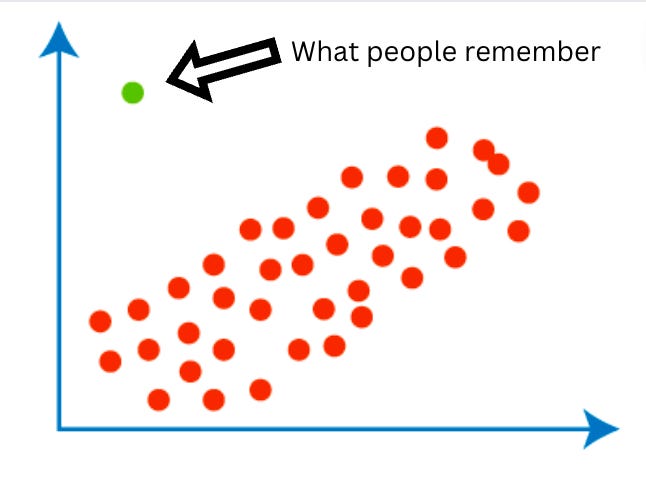
If you’re hiding your weird individualism to make the tribe like you, remember: They’ll soon forget everything you did or said.
Normal rational behaviour costs nothing in the short term, but disappears into the memory abyss. Unconventional weird behaviour costs a price in the short term, but the actions live on as stories in the future.
If you send someone a hand written thank you letter instead of an email, the initial reaction is “You shouldn’t have”. 12 months later, it’s the only message they remember receiving from anyone that year.
If you travel across the country for your friend’s parent’s funeral. The friend’s initial reaction is: “You don’t have to do that” — but it’s the story they tell in tears at your wedding.
Or consider Zack Pinsent.
A British teenager who dressed like a typical fourteen year old.
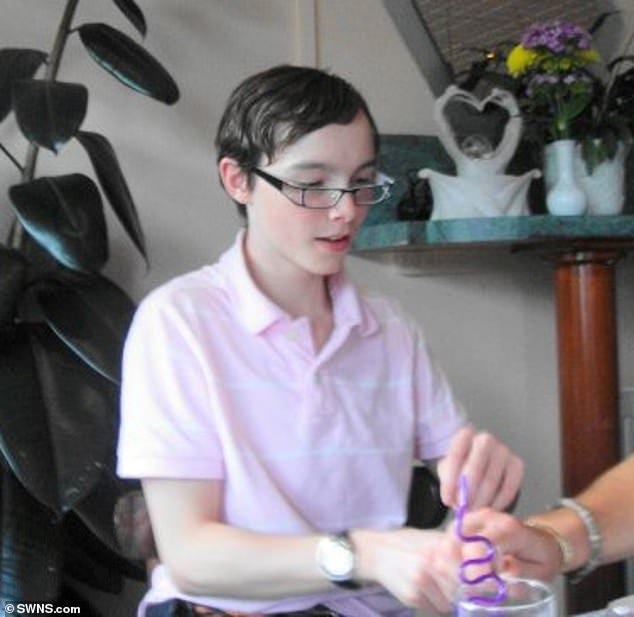
But Zack was lying to himself. He didn’t like the way he looked. He wanted to dress how he wanted to dress. So, one day at fourteen years old, he decided to burn his jeans. And finally, dress like an 18th century British gentleman.
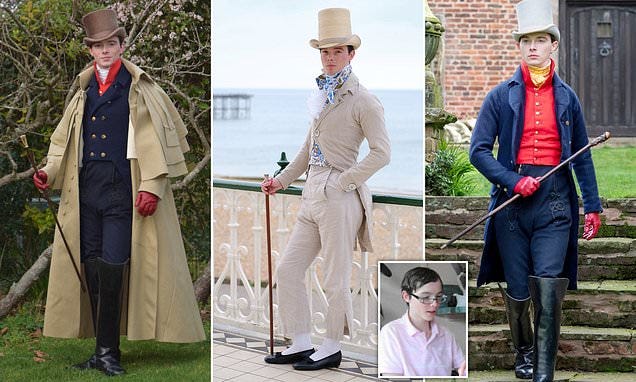
Zack has dressed that way ever since, has 750K Instagram followers and his own bespoke tailoring business, with adoring fans who want to dress like him.
Two lessons from Zack.
One, you may love what Zack did. You may hate what Zack did. But you won’t forget Zack. I still remember him months later — which is more than 99.99% of online content I’ve now forgotten.
Two, Zack wasn’t doing this for other people. He was doing it for himself. When it’s performative weirdness, people will see through it. But when it’s genuinely you, a voice you’ve repressed inside of you to appear normal that you finally let out, some people may mock you, but a surprisingly large number of people will applaud.
But there will be some people that react negatively to your weird self. Let’s discuss them next.
Reframing Weirdness
Let’s discuss the two worst rated TV shows in BBC test screening history.
Number one: Women’s lawn bowling.
A sport where the average age of a lawn bowls player is 67 years old (3 years older than the average UK retirement age at the time).
The slow pace of lawn bowling makes it appealing to the elderly’s hips, but less appealing for the bored viewer watching at home.

And the second worst rated TV show in BBC test screening history?
The Office.
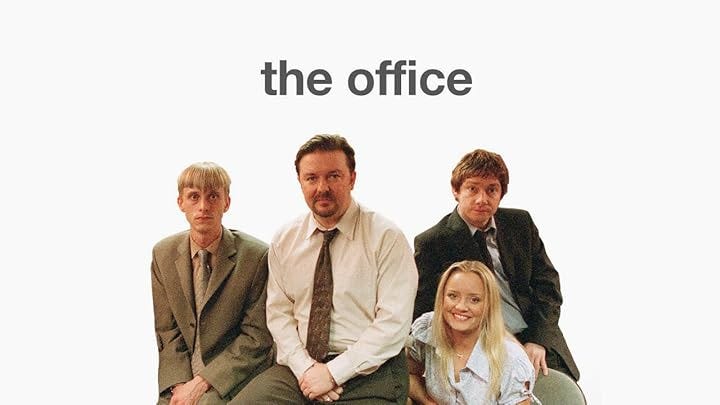
The feedback from test screenings for The Office was so abysmal that the BBC decided to air it in the summer graveyard slot.
What is happening here?
When someone tries something new — it could be coffee, beer, or an experimental artist’s new album.
Let’s stick with The Office.
Before the test audiences sat down to watch The Office, billions of neurons in their brains scanned through a lifetime of past experiences of comedy shows to build a forecast: Catchphrases, laughter track, no awkward silences.
And then as they watched The Office, their brain screamed: PREDICTION ERROR REPORT!!!
The gap between what the brain forecasted and what happened, created this mild form of wrongness. That sensation labelled as “I don’t like this” was actually their brain filing a prediction error report.
So let’s not get disheartened when we let our true weird selves out from the closet of normality and people react negatively, we’re just updating their prediction model of what to expect from us.
The stories people will tell at your funeral are when you created prediction error reports in their heads.
And a strange thing happens when we start being more of our authentic weird self — it may take hours, days, months or even years — but the people around us become weirder too.
Imagine if Zack turned up to your birthday party dressed like this.

You may laugh. Some may shake their head privately. A drunk person might make a comment.
But the next time you go clothes shopping, your prediction model of what is acceptable fashion has been widened. You can push it further, thanks to Zack.
When we let our weird selves out, we discover that most of the time — most people are weird too — they are just doing the normal behaviour because everyone else is doing it.
As Kevin Kelly said: “If you think someone is normal, you don’t know them very well. Normalcy is a fiction. Your job is to discover their weird genius.”
So, next time we’re unsure what to do, we should try this.
Write down five things most people would do in this situation.
Cross them all out. Ignore them.
Now, try again.
Think stranger. Think weirder. Think more you.
Live the story they’ll tell next to your casket at your funeral.
Normal is forgotten. Only weird survives.
P.S. Life is too short to read bad books.
I’ve put together the list of my favourite rare books. From a 19th century Russian novel about a man who can’t get out of bed until page 50. Or the book on writing I wish I read 10 years ago.
Get the list here —> highagency.com/books
The only part I disagree with is the framing of value in being remembered, or popular on social media, or successful in popular media. Which may be decent shorthand for valuable experiences, but also part of the problem.
Love this so much! It’s true in dating too. Show up as your true weird self so that the one who loves your particular brand of weirdness can find you.